BFBI is delighted to host a guest article by Adam Condon, a student of The Business of Nature Positive module at Trinity College Dublin – an exploration of more sustainable options to address the nature-related impacts of waste generation from energy products after marathon events.

A Nature-Positive Roadmap for Sports Nutrition:

Finish Line Fallacy

Three weeks after last October’s Dublin Marathon, I was walking my dog along the road when he nosed something silver out of the hedgerow. A crumpled energy gel wrapper, still sticky with maltodextrin, I grabbed out of his mouth. We hadn’t walked fifty metres before he found another. Then another. The race was long over. The waste was not.

The maths here is grim but worth doing. Around 25,000 runners line up each year, and most marathon fuelling plans call for roughly ten gels across the 42 kilometres. That is potentially up to 250,000 single-use wrappers dropped in a single morning across Dublin’s roads, parks, and canals. And that only counts race day. Factor in the training block, months of weekend long runs through the Phoenix Park, along the city centre, out past UCD, and the real number climbs far higher. Silver sticky wrappers sit in hedgerows, parks, and gardens, from July to October, waiting for the dogs, foxes, and wildlife that smell food and pull them loose.

These wrappers cannot be recycled. They are multi-material laminates, meaning, plastic film fused to aluminium foil, and no recycling site in the country will take them (Ellen MacArthur Foundation, 2016). Because they can’t be recycled, over time they fragment into microplastics that leach into soil and waterways, entering food chains and degrading the Dublin biodiversity we are trying to restore (UNEP, 2021). For a sport built on being outdoors, that is a genuinely sticky irony.

A Product That Depletes Nature Twice

The litter we can see is only half the problem. This product depletes nature twice: once when it is made, and again when it is tossed. Working through the sports nutrition value chain, I was shocked by how deep the upstream damage runs. The fuel inside most gels, maltodextrin, comes from intensive corn or wheat monocultures. These systems strip soil and organic matter, lean on synthetic nitrogen fertiliser, and generate nutrient runoff that leads to algal blooms and aquatic dead zones far from the farm (Tilman et al., 2002). The wrapper is worse. Its aluminium foil lining starts life as bauxite ore, extracted through open-pit mining that tears through tropical forests and leaves behind toxic red mud lagoons in place of thriving ecosystems (Power, Gräfe and Klauber, 2011).

Through a double materiality lens, gel brands carry nature-related risk at both ends of their value chain. Upstream, they depend on degraded ecosystems for raw materials. Downstream, the product waste directly harms local biodiversity. Under the EU’s Corporate Sustainability Reporting Directive (CSRD), companies are increasingly expected to disclose exactly these kinds of impacts and dependencies (EFRAG, 2024). Sports nutrition brands that ignore this two-way exposure are on borrowed time.

The “Design to Fail” Business Model

The current model is to sell-and-forget. Brands take high margins on the fuel and knowingly push the cost of the wrapper onto local councils and nature itself. The packaging design, at best, assumes that an exhausted runner, sticky-handed, oxygen-deprived, and kilometres from the nearest bin, will somehow hold onto multiple torn empty wrappers until they find one. That is not a realistic assumption. It is a product designed to fail.

The EU’s incoming Packaging and Packaging Waste Regulation (PPWR) turns this into a direct financial liability (European Commission, 2022). The PPWR introduces recyclability requirements, minimum recycled content thresholds, and Extended Producer Responsibility (EPR) obligations rooted in the Polluter Pays principle. Brands still selling non-recyclable laminate packaging will face rising EPR levies, potential market restrictions, and inevitable reputational damage across the single market. The only question left is whether companies treat incoming regulation as a grudging cost or as impetus to improve their entire product.

“If You Sell the Fuel, Own the Wrapper”

A Nature Positive Roadmap

Nature Positive is not a slogan. The Nature Positive Initiative (2024) defines it as an ambitious goal referring to measurable outcomes that contribute to halting and reversing nature loss. In terms of sports nutrition, that means moving up the Mitigation Hierarchy. Instead of limiting damage at the end, we avoid the impact entirely through redesign, then actively restore the ecosystems the product touches along the way. The principle I propose is simple: if you sell the fuel, own the wrapper.

On the packaging side, viable alternatives already exist through emerging nature-based enterprises (NBEs). Notpla, a London-based startup, produces seaweed-based packaging that dissolves harmlessly in soil and water, captures and stores carbon in its structure during growth, and requires no arable land or freshwater to produce (Notpla, 2024). By addressing both climate change and biodiversity loss simultaneously, it offers a scalable solution to the polycrisis we face. They have already trialled it at the London Marathon. Picture a gel wrapper that, if dropped by a wrecked runner at mile twenty, breaks down into organic matter within weeks. The downstream biodiversity threat disappears.

On the ingredient side, brands can shift their maltodextrin sourcing towards regenerative agriculture systems that rebuild soil health, increase water retention, and restore microbial diversity (Rodale Institute, 2020). This turns the upstream crisis on its head: a nature-depleting input becomes a nature-restoring one. Major food companies are already investing in regenerative sourcing programmes. The sports nutrition sector has no excuse not to follow.

Runners care about the outdoors. They rely on the cultural ecosystem services, the recreation, amenity, and well-being values, provided by places like the Phoenix Park and the Grand Canal. A brand that delivers  the first genuinely Nature Positive gel, compostable wrapper, regeneratively sourced fuel, does not just avoid a compliance headache. It earns lasting loyalty from a community that can spot greenwashing a mile off. Research consistently shows endurance athletes are willing to pay a premium for sustainably packaged products (Trivium Packaging, 2023). An extra fifty cents per gel to protect the route you love running is not a hard sell.

Fuel the Runner, Not the Route

The sports nutrition industry has a choice ahead of it. One path leads to rising EPR fees, regulatory scrambling, and more silver gel wrappers piling up in Ireland’s hedgerows. The other leads to material innovation, restored supply chains, and brand storytelling that stands out more than any ad campaign.

Event organisers can help force this change. The Dublin Marathon and other mass-participation races should mandate compostable packaging for all sponsored nutrition products by 2028. If your brand wants endorsement, its wrapper should not end up in the Grand Canal.

The finish line is not the end of a product’s lifecycle. It is where accountability starts. If you fuel the runner sustainably, runners will buy the fuel.

References:
EFRAG (2024) EFRAG IG 1: Materiality Assessment Implementation Guidance. Brussels: European Financial Reporting Advisory Group.
Ellen MacArthur Foundation (2016) The New Plastics Economy: Rethinking the Future of Plastics. World Economic Forum.
European Commission (2022) Proposal for a Regulation on Packaging and Packaging Waste, COM(2022) 677 final. Brussels.
Nature Positive Initiative (2024) What does Nature Positive mean? Available at: https://www.naturepositive.org/ (Accessed: March 2026).
Notpla (2024) ‘Our Technology.’ Available at: https://www.notpla.com/technology (Accessed: March 2026).
Power, G., Gräfe, M. and Klauber, C. (2011) ‘Bauxite residue issues: I. Current management, disposal and storage practices.’
Hydrometallurgy, 108(1–2), pp. 33–45.
Rodale Institute (2020) Regenerative Organic Agriculture and Climate Change: A Down-to-Earth Solution. Kutztown, PA: Rodale Institute.
Tilman, D., Cassman, K.G., Matson, P.A., Naylor, R. and Polasky, S. (2002) ‘Agricultural sustainability and intensive production practices.’ Nature, 418(6898), pp. 671–677.
Trivium Packaging (2023) 2023 Buying Green Report. Amsterdam: Trivium Packaging. Available at: https://buyinggreen.triviumpackaging.com (Accessed: March 2026).
UNEP (2021) From Pollution to Solution: A Global Assessment of Marine Litter and Plastic Pollution. Nairobi: United Nations Environment Programme

This National Biodiversity Week, Business For Biodiversity Ireland invites you to our free lunchtime webinar, Building a Nature-Positive Business: Your Get-Started Guide, in collaboration with our partners at SustainabilityExamples.com.

In this 40-minute online briefing, you will gain insight on how to use our free online resources to swiftly build your biodiversity knowledge, make the business case for nature and begin integrating biodiversity into your decision-making, as our Technical & Research Lead Dr Emer Ní Dhúill talks you through the basics of our free online Discovery Track module, part of the BFBI Nature Strategy Accelerator Programme for Irish businesses.

Sustainability Examples CEO and co-founder Andrew Sheehan will also demonstrate how his innovative website can help you learn more from peers leading on sustainability and how to best showcase your organisation’s practical progress, while strengthening reputation and resilience and unlocking new business value. Register on eventbrite HERE 

When: Tuesday, May 19th, 2026, 12pm-12.40pm

Where: Online over Teams

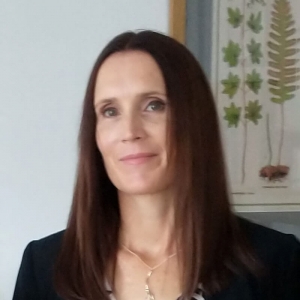
Headshot of smiling woman with brown hair

Who: Dr Emer Ní DhúillTechnical & Research Lead at BFBI, Emer has qualifications in ecology, botany and horticulture and has had a long career as an ecologist surveying both rare and invasive plant species in Ireland. Having witnessed the negative impact of invasive species and certain land use practices on Ireland’s biodiversity, it pushed her to think more deeply about the biodiversity crisis, focusing on understanding what our impacts and dependencies on biodiversity are. Emer’s work with BFBI includes developing and delivering workshops for members on developing credible nature strategies. She also manages delivery of research projects to NGOs, government bodies and agencies with a focus on addressing nature-related DIROs (Dependencies, Impacts, Risks, Opportunities) due to business activities. 

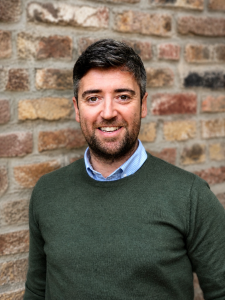
Headshot of smiling man with beard and green jumper

Andrew Sheehan – A qualified accountant in addition to having 15 years’ experience in senior marketing roles, Andrew recently launched the website initiative SustainabilityExamples.com. To-date, more than 100 companies across five countries are using it to share verified examples of climate action progress and nature positive impact.

Book your free ticket: HERE 

Our first immersive Action Track workshop of 2026 was delivered by our new Business Programme Lead Caroline Cawley and BFBI Technical & Research Lead Dr Emer Ní Dhùill, supported by our Business Programme Advisor Dr Catherine Farrell, Asst Prof Nature & Business at Trinity College Dublin at the Deloitte Ireland HQ in Dublin on April 14.

The workshop, supported by Deloitte’s WorldClimate Team, covered how our Nature Strategy Accelerator Programme (NSAP) businesses would begin to assess nature-related dependencies, impacts, risks and opportunities (DIROs) as a step to building credible, future-proof, impact-focused nature strategies, that drive action for the benefit of biodiversity and nature. The NSAP is based on our global partners Business For Nature‘s ACT-D framework. The framework is a 4-part, iterative process to Assess, Commit, Transform and Disclose on your organisation’s relationship with nature.

In this opening workshop, we talked about scoping boundaries and identifying stakeholders, looking at a variety of examples from major organisations on how they are presenting the mapping of their value chains, and exchanging ideas on where the focus should be in a post-Omnibus era. Our businesses explored the options for their sectors and their particular business model, as they work toward the key output of this Track – a Double Materiality Assessment, by asking: “What is the extent of our value chain and who are the important voices in it?”

Caroline commented: “It’s a really exciting time to be working in the nature and sustainability space, as we support Irish businesses to start to understand how to map and measure their dependencies and impacts on nature.”

Thanks to our participating businesses including CIÉ Group’s Bus Éireann, Dublin Bus and Irish Rail, Dublin Airport Authority, Shannon Airport Group and Eirgrid for their diligent work with us and our supporters at Deloitte Ireland including Cáitlín Flanagan and Eimear Kelly, and  Sarah Kelly from the National Biodiversity Data Centre, and the National Parks & Wildlife Service.

Find out more about our Nature Strategy Accelerator Programme HERE.

Business For Biodiversity Ireland is delighted to welcome four new board members as we expand our sustainability leadership and compliance expertise in our quest to support every Irish business in moving to Nature Positive.

Joining our Board of Directors as of Q1 2026 are Garrett Quinn of sustainable packaging company Smurfit Westrock; Professor of  Zoology at Trinity College Dublin Nessa O’Connor; sustainability consultant Aideen O’Hora of SustainabilityWorks and Dr Rosie O’Neill, Director of Sustainability at ifac. They join our existing Board made up of BFBI Chair Susan Rossney of Chartered Accountants Ireland, Board Secretary Lisa Davidson, Ed Pollard of the UK Business & Biodiversity Forum and Ken Whitelaw of IDA Ireland.

As we welcome our new directors, we would also like to extend our heartfelt thanks to our departing directors Prof Jane Stout of Trinity College Dublin and Dr Kirstie McAdoo of University College Dublin for their years of work with us.

More on our new recruits here below:

Garrett Quinn

Garrett was appointed Group Chief Sustainability Officer at Smurfit Westrock in July 2021 and took on Branding and Communications in 2026. He joined the Group in 2000 and has held a number of roles in operations across the Group in Argentina, France and Ireland before moving to the UK where he managed a number of corrugated box plants. In 2016, he took up the position of Head of Investor Relations, a position held to 2021. Garrett holds a bachelor’s degree in Commerce from University College Dublin and has completed his postgraduate studies with the Cambridge Institute of Sustainability Leadership. He was appointed as Director to the Smurfit Westrock Foundation in 2022.

Prof Nessa O’Connor

Nessa is a Professor in Zoology at Trinity College Dublin and a leading scientist in the field of regenerative ocean farming. Her research examines how coastal ecosystems function, their associated ecosystem services, and how they are responding to stressors, such as climate change, species loss and pollution. Her research team have identified many of the effects of global change on marine ecosystems. She has led several national and European interdisciplinary research projects providing scientific evidence for the suitable development of coastal resources (e.g. mussels, oysters and seaweed) linked to business development of emerging markets and nature-based solutions.

Aideen O’Hora

Aideen is a Co-Founder of SustainabilityWorks, a leading, independent sustainability consulting firm, that brings deep expertise in sustainability strategy, ESG reporting, finance, innovation and communications. An environmental scientist by training, Aideen has experience across the public & private sectors, including with Novartis, Abbott Laboratories, The Sustainability Energy Authority of Ireland (SEAI), The Green Way (Dublin’s cleantech cluster) and various local authorities, giving her a uniquely applied perspective that balances priorities on sustainability performance, commercial value and regulatory compliance. Aideen has a Masters in Integrated Environmental Management from the University of Bath and a BSc (hons) in Environmental Science from Atlantic Technical University.

Dr Rosie O’Neill

Rosie is Director of Sustainability at ifac, and holds a PhD from University College Dublin/Teagasc on the impact of management factors on soil microbial communities and nitrous oxide emissions, with a BA in Environmental Science from Trinity College Dublin. She was previously Sustainability Manager at An Post, supporting the company’s sustainability journey through ISO 14001 recertification across a 160-property portfolio, annual sustainability reporting to CDP, EcoVadis and the International Post Corporation, and conducted cost-benefit analyses of low-carbon infrastructure investments. Rosie leads on sustainability advisory practice at ifac, authoring the organisation’s first voluntary CSRD-aligned sustainability report in 2024, ahead of regulatory requirements and aligned with EU Taxonomy, Double Materiality and ESRS standards. She advises clients across the agri-food, SME and public sectors on carbon accounting, ESG strategy, climate risk and environmental compliance.

Read more about our Board of Directors on our BFBI Team page HERE.

It was a week which underlined how much nature has solidified its place on the business agenda alongside climate issues – with the inaugural Carbon & Nature Forum, a Nature Panel at the Business Post ESG & Sustainable Business Summit, BFBI as a finalist at the ESG Awards and our first Nature Strategy Accelerator workshop of the year.

Our Executive Director Dr Maria Fitzpatrick writes:

We launched into the second quarter of 2026 with a week of inspiring events that really brought home how much nature is now firmly on the business agenda alongside climate – kicking off on Tuesday, April 14th with our first in-person workshop of 2026 with this year’s first cohort of businesses for our Nature Strategy Accelerator Programme’s Action Track Workshop #1, delivered in association with Deloitte’s WorldClimate Team at their HQ in Dublin.

The focus: getting practical and helping our member organisations identify what’s truly material for them when it comes to reporting and strategy. More on that in future, with two more workshops in the pipeline. Huge thanks to all who participated in an interactive day-long session, to the BFBI team and our new Business Programme Lead Caroline Cawley making her workshop lead debut, to our Business Programme Advisor Dr Catherine Farrell for her continued input into the 2026 programme and to our workshop delivery partners Deloitte Ireland’s Sustainability Leader Caítlín Flanagan for their ongoing support.

That same day, the first Carbon & Nature Forum at Trinity Business School, hosted by the fantastic BE IMPACTFUL team, brought together a powerhouse line-up, with Asst Prof of Business & Nature Dr Catherine Farrell joining the panel discussions. Huge thanks to Tom Popple, Orlaith Delargy, and Louise French for creating such a valuable space. It was one of those sessions you don’t want to leave (even when your calendar says otherwise). Looking forward to being part of what comes next.

The evening of nature and climate conversations continued at the Climate Heist in The Sugar Club with Climate Cocktail Club – an engaging and thought-provoking mix of music and conversation, featuring voices such as Lesley O’Connor and Aoife O’Leary, alongside inspiring examples of climate innovation and entrepreneurship. BFBI is delighted to get involved in the Climate Cocktail Club’s second annual Climate Carnival ‘From Siloes to Systems’ coming up in September so stay tuned and join the mailing list for more updates on registration and collaboration opportunities. See www.climatecocktailclub.org/events

Wednesday took us to the Business Post ESG and Sustainable Business Summit in Croke Park, moderated by broadcaster Philip Boucher-Hayes, where BFBI was proud to take the stage on the dedicated Nature Panel, with Caroline Cawley joining Bob Hamilton, CEO of Irish Trees Ltd, (valued members of our Nature Strategy Accelerator Programme), Dr Siobhan McQuaid of GoNaturePositive!, Horizon Nua, Trinity College Dublin and Stewart Gee, of Climate KIC, and keynote speaker Anne Reaney of Rebalance Earth, sharing insights on how businesses are moving to a nature-positive way of working. Our team, including Research & Tech Lead Dr Emer Ní Dhúill and myself were on hand to chat to delegates at our BFBI exhibition stand. Another day of great discussions, strong engagement, and plenty of follow-ups already in motion.

We wrapped up the week on Thursday, April 16th, as finalists at the ESG Business & Finance Awards 2026 in the Biodiversity Leadership in Business category for the second year in a row. While it wasn’t our day, congratulations to Coillte on a well-deserved win. And a big thank you to Chartered Accountants Ireland and our Chair Susan Rossney for the warm hospitality and great conversations.


Also a big thankyou to our funders National Parks & Wildlife Service and to our associates in KPMG Ireland Sustainable Futures, the National Biodiversity Data Centre, Business in the Community Ireland, Natural Capital Ireland and SustainabilityExamples.com – and to everyone who has been involved in supporting our work helping Irish businesses to integrate biodiversity into business strategy to date.

It’s weeks like this that act as a reminder of just how much momentum is building around bringing nature into the boardroom. So many brilliant people, conversations and ideas – all contributing to what can sometimes feel like an uphill climb but one that’s absolutely worth it.

A strong reminder that progress happens through collaboration, persistence and showing up – again and again.

Ready to show up for nature? Sign up free today to our Nature Strategy Accelerator Programme Discovery Track to access free resources & webinars and take our 10-step module to build your biodiversity knowledge – https://businessforbiodiversity.ie/how-it-all-works/

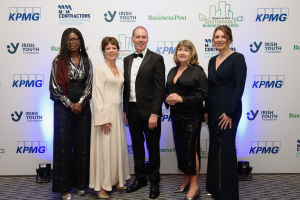
ESG Summit photos by Maura Hickey

This year’s annual National Biodiversity Week is taking place May 15th – 24th with over 200 free events nationwide, and more being added to the website.

Biodiversity Week, coordinated by the Irish Environmental Network (IEN) and supported by organisations such as the Heritage Council, features a wide range of events designed to educate, inspire nature connection and raise awareness about biodiversity, with a focus on the importance of native plants, animals and habitats.

Activities include school events, guided nature walks, gardening for biodiversity and educational workshops, with opportunities for all to explore our native ecosystems to learn more about the intricate relationships between flora, fauna and the environment.

Explore all events now at www.biodiversityweek.ie – and keep an eye out for more Biodiversity Week announcements to be shared on our social media.

Got an event to share? Tag us on social media or get in touch with our Communications Lead at fiona.smith@businessforbiodiversity.ie

Business For Biodiversity Ireland has been announced as a finalist in the Business & Finance ESG Awards 2026, in association with Grant Thornton Ireland.

We have been nominated in the ‘Biodiversity Leadership in Business’ category for the second year running, alongside Biodiversity in Schools, Coillte, Dole Ireland, Dublin Port Company, Energia Group, Glenisk and VOYA.

Well done to all the nominees working hard in the sustainability space – and especially to our team, our Board and our members for all your dedicated work.

The ceremony will be held on 16 April 2026 at the Mansion House, Dublin. Read more on the ESG Awards on the Business & Finance site HERE.

Join our members in leading in the charge to a nature-positive economy for Ireland by developing a strong Nature Strategy with BFBI. Get on track today, learn more about the benefits for your business HERE or contact manager@businessforbiodiversity.ie for a chat about your options.

We are pleased to announce that Business for Biodiversity Ireland is partnering with the Business Post ESG and Sustainability Summit 2026, taking place at Croke Park, Dublin on 15 April.

The Summit will convene senior leaders from business, government and finance to examine how organisations are embedding ESG into strategy, operations and reporting. This year’s agenda focuses on practical delivery, including climate transition planning, nature and biodiversity, resilient supply chains, governance standards and the skills required to compete in a lower-carbon economy.

Our Business Programme Lead Caroline Cawley will join the Nature panel to discuss how it can affect decision-making in supply chains, finance, business strategy, risk management and investment. Our team will also be on site to participate in the day’s discussions, with an exhibition stand to chat about our work with businesses on Ireland’s Nature Strategy Accelerator Programme.

Business for Biodiversity Ireland’s partnership reflects our commitment to advancing credible, commercially grounded sustainability leadership and to contributing to informed, cross-sector dialogue on the future of responsible business.

  • As part of this partnership, Business for Biodiversity Ireland is offering an exclusive 15% discount on delegate tickets. To avail of this discount, BFBI Members can enter BFDESG15 when registering to attend.

We look forward to working together to deliver a focused and solutions-driven forum for organisations navigating the ESG agenda.

Register here: https://esgandsustainablebusinesssummit.ie/

Our colleagues in the National Biodiversity Data Centre (NBDC), which co-ordinates the All-Ireland Pollinator Plan, have a free ‘Lunch & Learn’ webinar coming up on April 1st, 12pm – FIT Counts to Monitor Pollinators in 10 minutes.

As flowers begin to bloom and more bumblebees and butterflies emerge, it’s the perfect time to get ready for the busy biodiversity recording season ahead. Whether completely new to recording or looking to build your skills, this webinar will give you everything you need to get started with 10-minute pollinator monitoring. Discover how you can play a vital role in monitoring bumblebees and butterflies on your business site, or anywhere you find a patch of flowers.

The session will cover how FIT Counts or Flower-Insect-Timed-Count surveys work, what data is collected and why it matters, how your FIT Counts contribute to understanding pollinator trends, and practical tips on how to recognise different insect groups.

  • Title: ‘FIT Counts: How to Monitor Pollinators in 10 minutes’
  • Speaker: Michelle Larkin – NBDC’s Pollinator Research Officer
  • Date: 1 April 2026, 12.00-13.00
  • Level: Suitable for beginners – no specific knowledge necessary.
  • Prior to the session: Download the FIT Count App – Android or ios
  • Register: https://www.tickettailor.com/events/nationalbiodiversitydatacentre/2017795

How does this webinar apply to my business?
Flower-Insect-Timed-Counts (FIT Counts) is listed at Action 22 of the All-Ireland Pollinator Plan’s Businesses: actions to help pollinators evidence-based guidelines. They are an easy, entry-level, scientifically robust way of tracking insect abundance as you make changes on your business site, in your garden, or through local community sponsorship, in line with the AIPP evidence-based actions.

How do we track easily if AIPP actions are working on-site?
  • Invite Biodiversity Champion(s), your Green Team, or colleagues to start submitting either monthly or weekly FIT Counts from 1 April through to 30 September.
  • Watch a 50cm2 patch of flowers (e.g. clover) for 10 minutes and ‘tap what you see’ (e.g. bumblebee, butterfly etc.).
  • Consider centralising FIT Count data gathering by creating a biodiversity@companyX.com email.

Register here for the NBDC webinar to learn more: https://www.tickettailor.com/events/nationalbiodiversitydatacentre/2017795


A progress report on the 4th National Biodiversity Action Plan 2023-2030 has been published with almost 80% of 194 actions on track or complete.

Minister of State for Nature, Heritage and Biodiversity, Christopher O’Sullivan TD, has published the report, prepared by the National Parks and Wildlife Service with input from the Inter-departmental Biodiversity Working Group, which finds that 44 actions have been fully completed since the National Biodiversity Action Plan was published in early 2024.

These include:

  • the establishment of a new online tool to track progress
  • actions for designated habitats and protected species, including the expansion of the network of National Parks and Nature Reserves.
  • new guidelines for the development of Local Authority Biodiversity Action Plans.
  • annual reporting for public bodies with a guidance document drafted by BFBI’s Research and Technical Lead Dr Emer Ní Dhúill launched last summer.
  • restoration efforts have intensified with a series of key stakeholder events regarding the preparation of the National Nature Restoration Plan (NRP).

Minister O’Sullivan said:

“The progress we are seeing reflects a truly collaborative effort across Government, public bodies and wider society to protect and restore nature, and I would like to thank everyone whose work has helped us get to this point. It’s vital now that we maintain this focus and keep moving forward together.

“Sustained commitment is essential to ensure that Ireland’s fourth National Biodiversity Action Plan – which was ranked as one of the best in the world by the WWF – can be translated into the lasting recovery that our natural world needs. More people than ever understand that nature is at the root of our culture, our health and wellbeing, and our economy.”

To progress the remaining actions, including some of the several of which BFBI is an owner, the report identifies a critical need to increase private sector participation and supports, and to improve the our biodiversity data infrastructure to inform future decision-making.

The NBAP is scheduled for a formal update in 2027 following the publication of the NRP.